
Shaniwar Wada, Pune, Maharashtra
Listing has verified and belong the business owner or manager.
Hightlight
-
 Parking facilities
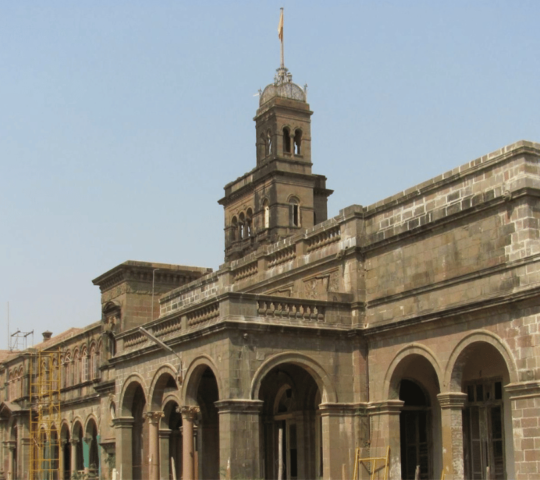
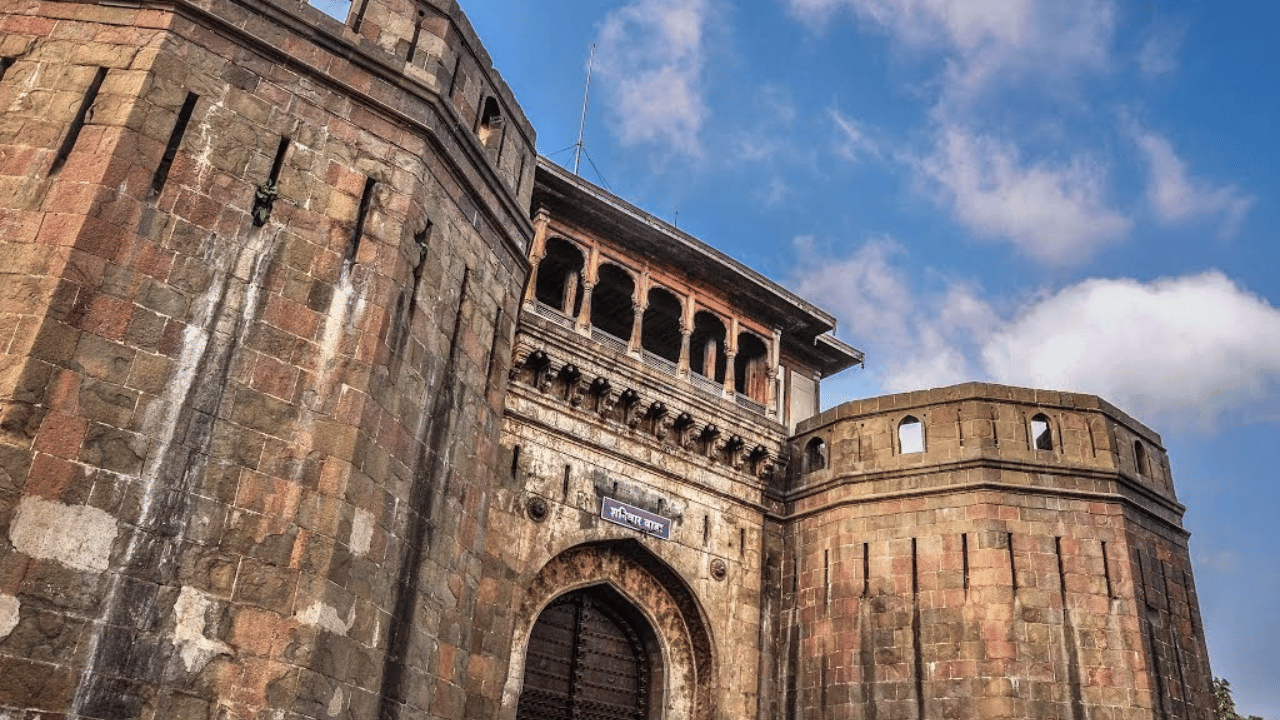
Shaniwar Wada is a historic fortification located in Pune, Maharashtra, India. It was originally built in the 18th century as the seat of the Peshwas of the Maratha Empire and served as a political and cultural center during that time.
Google Reviews


Sudip Pandit
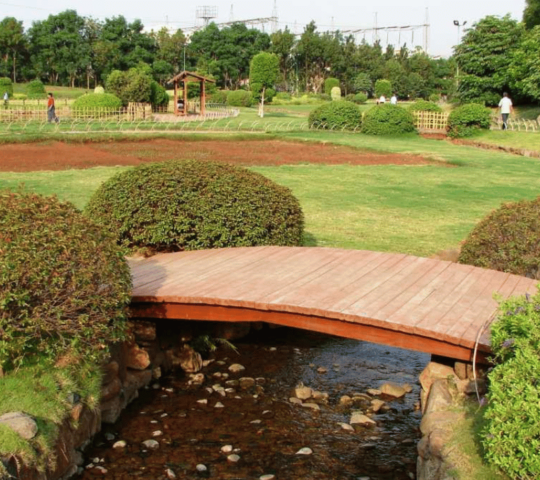
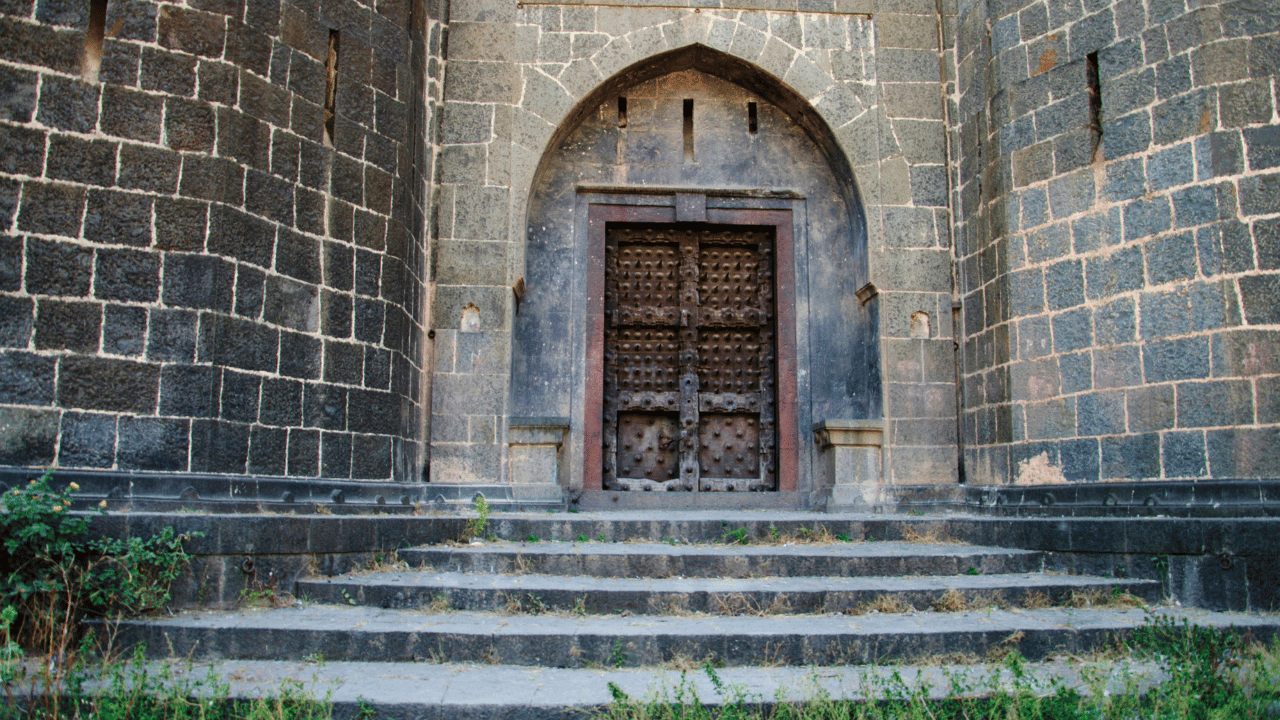
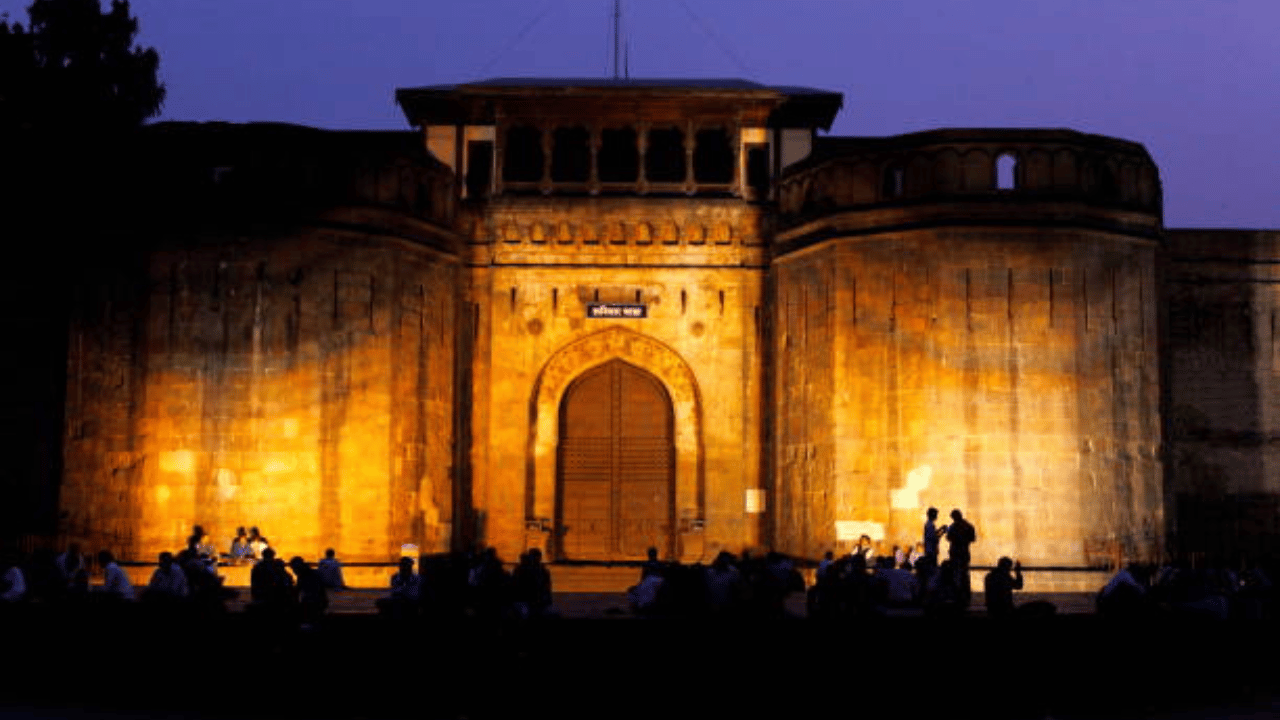
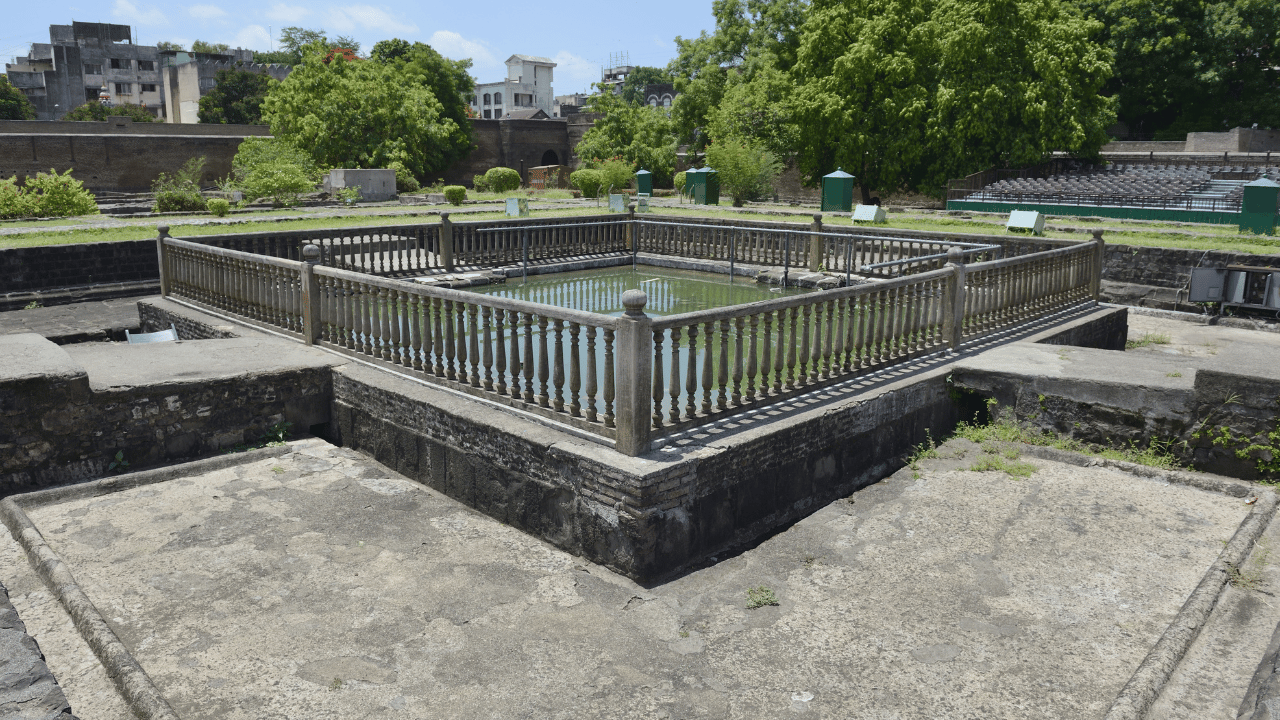
4 months agoI visited Shaniwar Wada in January this year, and it was one of the most memorable places I explored in Pune. Walking through the historic gates and ruins gave me a glimpse into the rich history of the Maratha Empire. The architecture, massive walls, gardens, and open courtyards are truly impressive and make the place feel grand even today. January was a great time to visit because the weather was pleasant and comfortable for walking around the entire fort complex. I spent a couple of hours exploring different sections, reading about the history, and taking photographs. The evening atmosphere was especially beautiful, and the well-maintained surroundings added to the overall experience. A few tips for visitors: • Visit during the morning or late afternoon to avoid crowds and enjoy better weather. • Wear comfortable footwear as there is quite a bit of walking inside the complex. • Carry a water bottle, especially if you plan to spend time exploring every corner. • Be careful on uneven stone surfaces and steps in some areas. • Help keep this historic monument clean by avoiding littering. I would highly recommend Shaniwar Wada to history lovers, families, students, and anyone visiting Pune for the first time. It is not just a tourist attraction but a place where you can connect with Maharashtra's heritage and culture. Definitely worth a visit and an important landmark of Pune. 😊🏰📸✨

Sharanya Pandey
a month agoThis place is really awesome! 😊 I'd suggest visiting in the evening instead of the afternoon because Pune's heat can be intense. But inside the fort, it's cool and pleasant. If you come here, you can also check out the Dagdusheth temple. 🕍 A tour guide is a good idea to learn more about the place.

Kamlesh Surana
5 months agoI recently visited Shaniwar Wada and it was an amazing historical experience. Built in the 18th century by the Peshwas of the Maratha Empire, Shaniwar Wada is one of the most iconic landmarks of Pune. The massive gates, fort walls, and architecture still reflect the glory of Maratha history. Walking through the premises feels like stepping back into history. The place is well maintained and the atmosphere becomes even more beautiful during the evening light and sound show. It is a perfect place for history lovers, photographers, and anyone interested in Maharashtra’s rich heritage. Definitely a must visit place in Pune.

Vipi
3 months agoShaniwar Wada is an absolutely stunning ancient site! 🏛️ I was captivated by its historical grandeur and intricate architecture. It's a fantastic place to explore and immerse yourself in the past. Highly recommend a visit! ✨ Absolutely incredible. 🤩

Samar Kumar
3 months agoThis is historical place of peshwa. Used to be lot larger in older times. More than 600 acres. But now its les than 5 acres. Only boundary and gates you would be able to see. Good places for small walk or rest with you loved ones or gf ( if you have one 😅 ). Go in evening. Or after 3 pm. Ticket : ₹20/person. No water facility inside. Take your bottle. Could be made a good place of trust invest money into it.