

Aga Khan Palace, Pune, Maharashtra
Listing has verified and belong the business owner or manager.
Hightlight
-
 Parking facilities
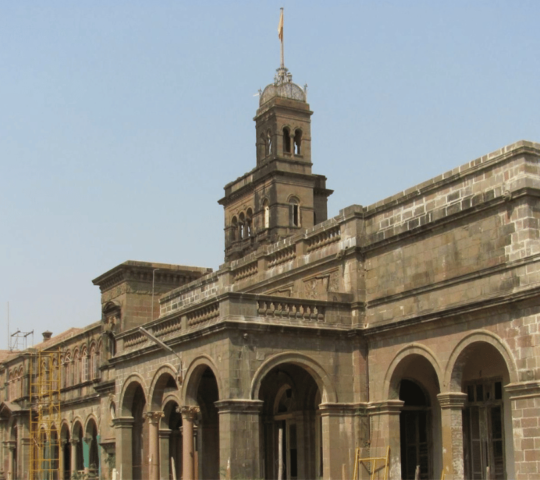
Aga Khan Palace is a historical landmark located in Pune, Maharashtra, India. Built in 1892 by Sultan Muhammed Shah Aga Khan III, the palace holds significant historical importance as a place associated with India’s freedom movement.
Video
Google Reviews


Rajesh Mali
3 weeks agoA beautiful place filled with history and peace! Aga Khan Palace in Pune is a must-visit for anyone interested in Indian history and architecture. The palace is beautiful, well-maintained, and surrounded by peaceful gardens. The museum and exhibits offer a meaningful glimpse into India’s freedom struggle and Mahatma Gandhi’s life. The atmosphere is calm and the historic significance of the place makes the visit truly memorable. A great spot for history lovers, families, and anyone looking for a peaceful cultural experience in Pune. Definitely worth visiting! 🇮🇳✨

Vinay Kumar
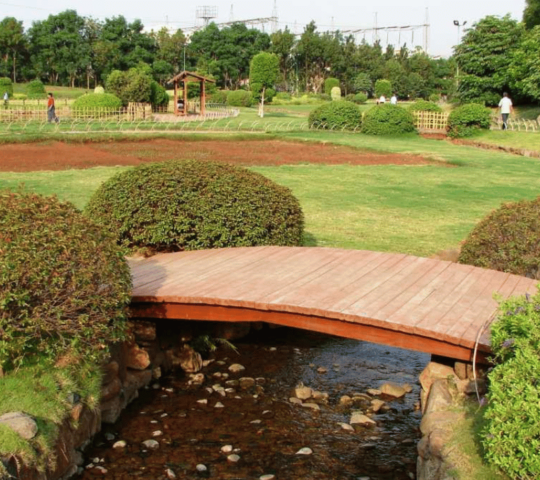
5 months agoOne of the best-kept places right in the midst of the city. The property features a beautiful garden filled with vibrant flowers and large, old trees that create a peaceful atmosphere. The museum is housed within an old heritage structure, with open lobbies that connect seamlessly to the garden, adding to its charm. The photographs and monuments inside are truly remarkable well preserved, clean, and thoughtfully displayed. It takes about an hour to explore the place properly and do justice to everything it offers. The way Gandhiji’s monument has been maintained feels incredibly lifelike, almost transporting you back to that era. Kasturba’s samadhi is the highlight of the visit, set beneath magnificent old trees, making it especially serene. It’s heartening to see how respectfully and beautifully such heritage has been preserved. The location on Nagar Road is convenient, with ample parking space for four-wheelers. Tickets are issued via a scanner at the counter and need to be paid for online. A truly enriching and peaceful experience.

Susmita Patra
2 months agoThe Aga Khan Palace is one of Pune's most iconic historical landmarks. Built in 1892 by Sultan Muhammed Shah Aga Khan III, this majestic estate is a unique blend of Italianate arches, spacious stone lawns, and deep historical resonance, particularly tied to India’s struggle for independenc. Spanning 19 acres, the building features: Grand Italian-style arches and spacious corridors. A massive, well-manicured lawn and lush green gardens. An elegant, quiet atmosphere that feels worlds away from the busy streets outside. Mahatma Gandhi was imprisoned at the palace from August 1942 to May 1944, along with his wife, Kasturba Gandhi, and his personal secretary, Mahadev Desai.

Gourav Deep Das
3 months agoWe visited Aga Khan Palace during our Pune trip, and it was an amazing experience. The palace is beautifully maintained and gives you a chance to step back into one of the most important chapters of India's freedom struggle. It's the place where Mahatma Gandhi, Kasturba Gandhi, and Mahadev Desai were held during the Quit India Movement, and the museum inside preserves their memories through photographs, personal belongings, and historical exhibits. The architecture is stunning, and the lush green gardens make the entire place feel calm and peaceful. It's a perfect blend of history, heritage, and natural beauty. If you're visiting Pune, don't miss this place. It's well worth the visit and leaves you with a deep appreciation for India's history and the sacrifices made by our freedom fighters. Highly recommended!

badri_on_the_go
3 months agoThis is a wonderful place for anyone interested in learning about India's history, especially the period before Independence. The museum is well maintained, clean, and thoughtfully organized, making it an enjoyable and educational experience. One of the biggest advantages is its location on the main road in Kharadi, making it easily accessible by both public and private transport. The entry fee is very reasonable—₹25 for Indian visitors and ₹300 for foreign nationals—which makes it great value for the experience offered. The campus is peaceful and filled with greenery, with plenty of trees providing shade. It's a pleasant place to spend a few hours, and you can even bring homemade food and enjoy a picnic in the open areas with family or friends. The campus is peaceful and filled with greenery, with plenty of trees providing shade. It's a pleasant place to spend a few hours, and you can even bring homemade food and enjoy a picnic in the open areas with family or friends. Inside the museum, the history is explained through informative display boards, and many original artifacts, equipment, and items used during that era are preserved and exhibited. Overall, it's an excellent destination for history enthusiasts, students, and families looking for a calm and enriching outing. Definitely worth a visit if you're in Pune!