
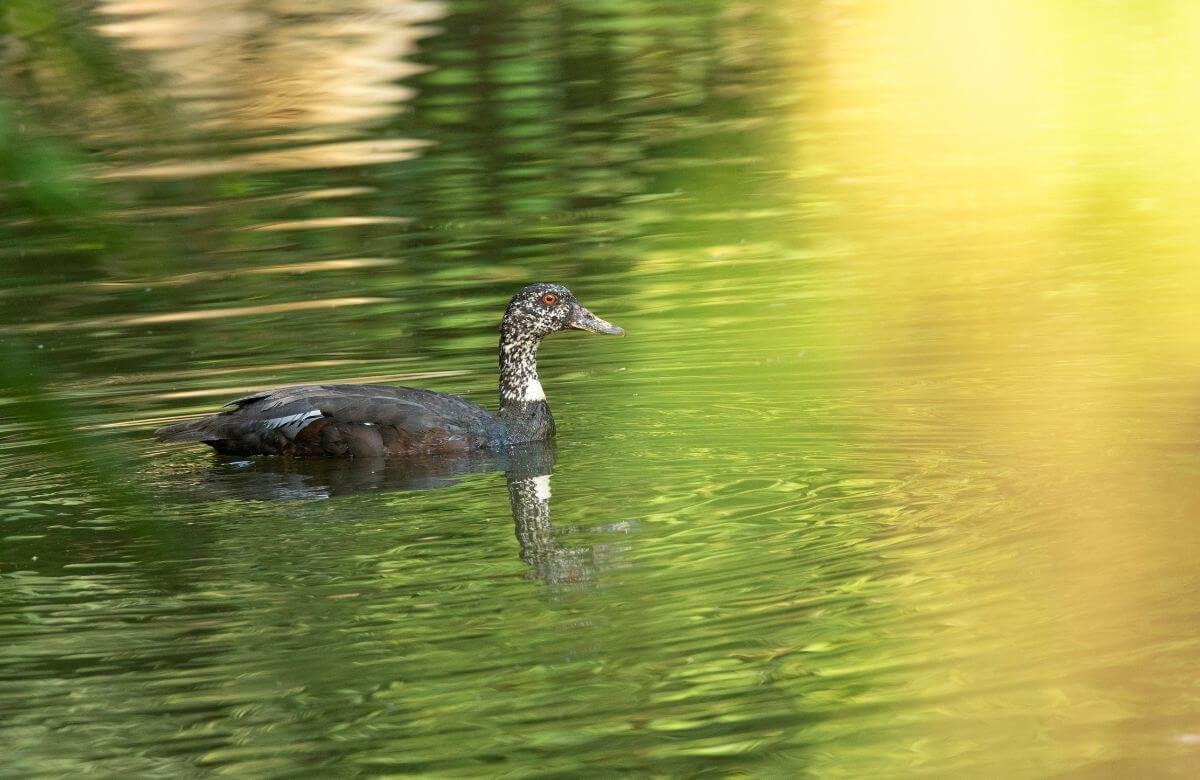
Uncharted Wildlife Spots Away from the Crowds
India is globally recognised for its wildlife reserves and national parks, yet most travellers limit themselves to a handful of popular destinations. While places like Ranthambore, Jim Corbett, and Kaziranga are remarkable, they often come with crowded safaris, fixed routes, and limited time in nature. Beyond these well-known names lies a quieter, more immersive side of wildlife travel. Uncharted wildlife spots in India offer raw landscapes, authentic encounters, and a deeper connection with nature, free from tourist congestion.
These lesser-known wildlife regions are where forests breathe freely, animals move undisturbed, and silence becomes part of the experience. For travellers who enjoy slow exploration, photography, and meaningful encounters rather than checklist tourism, these hidden wildlife spots provide unforgettable journeys. Many of these areas also blend seamlessly with offbeat river valleys, untouched forest trails, and remote hill regions featured across SceneLoc8, creating a holistic nature-focused travel experience.
Why Choose Uncharted Wildlife Spots in India
Uncharted wildlife spots offer something that popular reserves often cannot: space and stillness. With fewer vehicles and visitors, animal behaviour remains natural and unforced. Instead of rushed sightings, you experience long moments of observation, listening to forest sounds, tracking movement, and absorbing the rhythm of the wild.
These destinations are also ideal for photographers who prefer natural lighting, uncrowded frames, and flexible exploration. The landscapes here often include dense forests, grasslands, wetlands, and river systems that change dramatically with the seasons. For responsible travellers, these areas offer a chance to support conservation efforts and local communities that protect fragile ecosystems without mass tourism.
Dandeli–Anshi Landscape, Karnataka
The Dandeli–Anshi Tiger Reserve remains one of South India’s most underrated wildlife landscapes. Spread across dense forests, river valleys, and hilly terrain, this region offers exceptional biodiversity with very limited tourist pressure.
Instead of crowded jeep safaris, visitors here experience quiet forest drives, riverside walks, and birdwatching sessions. The Kali River adds a scenic dimension, making the area ideal for combining wildlife exploration with offbeat river valley experiences. Hornbills, deer, leopards, and even black panthers have been sighted in this landscape, often without another vehicle in sight.
Kanger Valley National Park, Chhattisgarh
Kanger Valley is a rare combination of dense sal forests, limestone caves, waterfalls, and wildlife corridors. Despite its ecological richness, it remains largely untouched by mainstream tourism.
Wildlife sightings here include leopards, sloth bears, wild dogs, and an impressive range of bird species. The park’s quiet trails and natural cave systems create an immersive environment where wildlife exploration blends with geological wonder. This region connects beautifully with untouched forest trails and hidden cave landscapes, making it ideal for travellers who enjoy layered nature experiences.
Tal Chhapar Blackbuck Reserve, Rajasthan
Tal Chhapar is a compact yet fascinating grassland sanctuary located on the edge of the Thar Desert. Unlike dense forest reserves, this open grassland allows uninterrupted wildlife viewing without large crowds.
The sanctuary is best known for its blackbuck population and migratory birds that arrive during winter. Golden grasses, clear skies, and open horizons make this reserve especially appealing for wildlife and landscape photography. Its quiet setting offers a peaceful alternative to Rajasthan’s more commercial wildlife destinations.
Dihing Patkai Forest Reserve, Assam
Often referred to as the Amazon of the East, Dihing Patkai is one of India’s last remaining lowland rainforests. Thick canopies, mist-covered trails, and rich biodiversity define this forest, yet it remains virtually unexplored by mainstream tourism.
Elephants, hoolock gibbons, hornbills, and rare reptiles thrive in this habitat. Walking through Dihing Patkai feels like entering an ancient ecosystem where human presence is minimal. The reserve pairs naturally with hidden orchid valleys in India and other North Eastern offbeat destinations.
Satkosia Gorge Wildlife Sanctuary, Odisha
Satkosia is defined by the dramatic gorge carved by the Mahanadi River. This sanctuary combines riverine landscapes with forested hills, creating a visually striking and biologically diverse region.
Wildlife sightings include gharials, crocodiles, elephants, and leopards. Boat safaris through the gorge offer a unique wildlife experience rarely found elsewhere in India. The sanctuary’s isolation makes it ideal for travellers seeking offbeat river valleys combined with wildlife exploration.
Kawal Wildlife Sanctuary, Telangana
Kawal is one of Telangana’s most promising yet overlooked wildlife regions. Spread across dry deciduous forests and river systems, the sanctuary supports tigers, leopards, deer, and a variety of bird species.
The terrain here changes dramatically with the seasons, offering different visual moods throughout the year. With minimal tourist infrastructure, Kawal allows for quiet forest experiences and undisturbed wildlife sightings, making it ideal for travellers who prefer raw, unfiltered nature.
Papikonda National Park, Andhra Pradesh
Papikonda National Park stretches along the Godavari River and is accessible largely by boat, adding to its sense of remoteness. Forest-covered hills rise directly from the riverbanks, creating a landscape that feels both dramatic and peaceful.
The park is home to leopards, fishing cats, otters, and rich birdlife. Tribal villages along the river add cultural depth to the journey. Papikonda is a strong example of uncharted wildlife spots in India where nature and community coexist harmoniously.
Bor Tiger Reserve Buffer Zones, Maharashtra
While Bor Tiger Reserve itself is gaining recognition, its surrounding buffer zones remain surprisingly quiet. These forest corridors allow wildlife to move freely while offering visitors peaceful forest drives.
Birdwatching, tracking signs, and observing forest behaviour become more rewarding without the pressure of high vehicle density. These buffer areas connect seamlessly with offbeat wildlife travel routes across central India.
Sathyamangalam Forest Division, Tamil Nadu
Sathyamangalam forms a crucial wildlife corridor connecting the Western and Eastern Ghats. Despite its ecological importance, it remains relatively unexplored compared to neighbouring reserves.
Elephants, leopards, and a wide range of birds inhabit this vast forest landscape. The terrain includes dry forests, hills, and grasslands, offering varied photographic opportunities. Its location makes it an excellent extension for travellers exploring secret hill stations and forest trails in South India.
Best Time to Visit Uncharted Wildlife Spots in India
Seasonal timing plays a key role in wildlife travel. Summer months improve visibility near water sources, while winter offers comfortable temperatures and migratory bird sightings. Monsoon transforms landscapes into lush ecosystems but may limit access in some regions.
Early morning and late afternoon remain the best times for wildlife observation and photography, regardless of season.
Responsible Wildlife Travel
Visiting uncharted wildlife spots comes with responsibility. Staying on designated trails, respecting local guidelines, avoiding loud behaviour, and supporting local conservation initiatives are essential. These areas thrive precisely because they are undisturbed, and mindful travel ensures they remain that way.
Choosing local guides and community-run stays helps sustain conservation-driven tourism rather than mass commercial models.
Conclusion
Uncharted wildlife spots in India offer something increasingly rare in modern travel: quiet, authenticity, and genuine connection with nature. These destinations allow wildlife to be observed on its own terms and landscapes to be appreciated without distraction. For travellers seeking meaningful wildlife experiences away from the crowds, these hidden sanctuaries provide journeys that are both grounding and unforgettable.