
Silent Pilgrimage Routes Away from India’s Crowds
India is known for its grand pilgrimages, where thousands walk, chant, and gather at sacred sites. Yet beyond these crowded routes exist quieter paths followed by monks, shepherds, traders, and villagers for centuries. Silent pilgrimage routes in India move through forests, mountains, deserts, river valleys, and remote settlements, offering spiritual journeys rooted in solitude rather than spectacle.
These routes are not marked by grand entrances or commercial infrastructure. Instead, they reveal themselves slowly through footpaths, ancient stone markers, resting caves, modest shrines, and stories carried by local communities. Walking these paths feels intimate and deeply grounding. The focus shifts from destination to journey, from ritual to reflection. Many of these routes intersect with offbeat river valleys, hidden mountain passes, and remote village trails, making them a natural fit for SceneLoc8’s slow, offbeat travel philosophy.
Why Silent Pilgrimage Routes Feel Different
Silent pilgrimage routes are shaped by repetition rather than crowds. Generations have walked these paths quietly, often alone or in small groups, carrying prayers inward instead of outward. The absence of noise and commercial activity allows the landscape itself to become part of the spiritual experience.
For travellers, these routes offer space to walk without urgency, to listen to wind, water, and footsteps, and to reflect without distraction. For photographers and writers, they provide powerful storytelling through emptiness, texture, and light rather than movement and colour.
Kailash–Manasarovar Inner Footpaths, Uttarakhand–Tibet Border Region
Beyond the main pilgrimage corridors lie older footpaths once used by traders and monks travelling toward Kailash. On the Indian side, remnants of these routes pass through high-altitude valleys, stone shelters, and quiet ridges.
These paths are stark and minimal, shaped by wind, rock, and silence. Walking them feels meditative, with the landscape demanding humility and presence. These routes align naturally with hidden high altitude lakes and remote desert-like Himalayan terrain.
Tungnath Inner Forest Paths, Uttarakhand
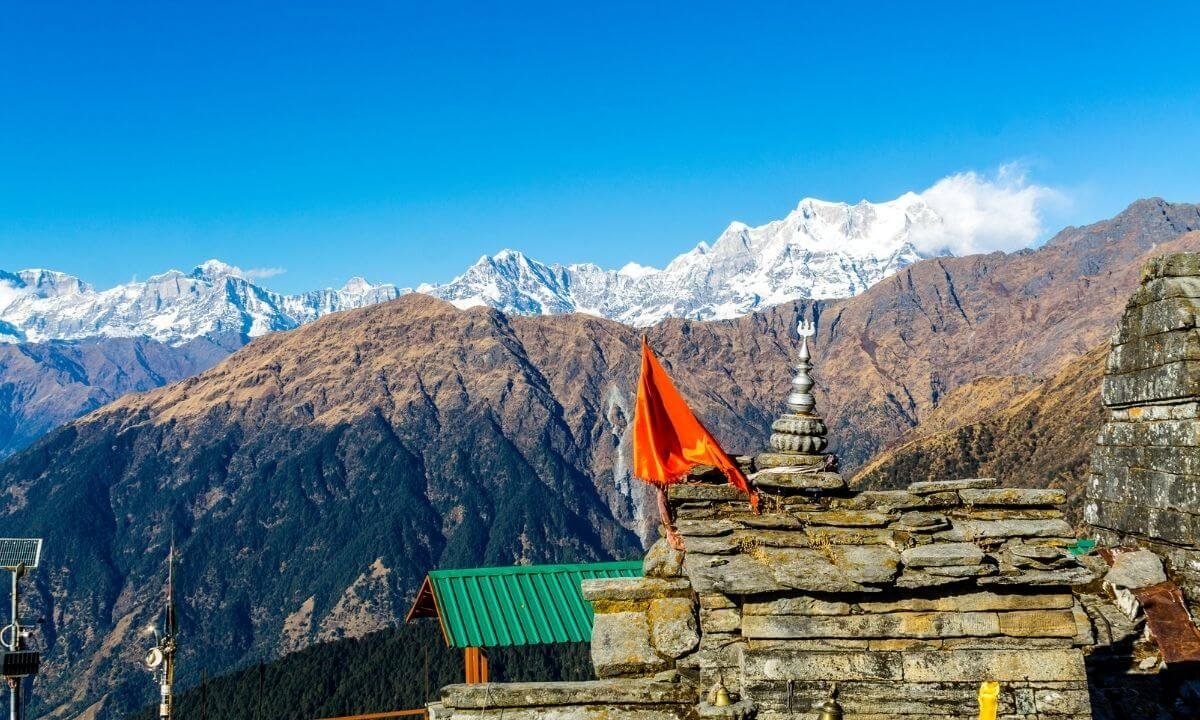
While Tungnath attracts trekkers, lesser-used forest paths lead toward ancient meditation sites and smaller shrines scattered across the slopes. These trails pass through rhododendron forests, quiet clearings, and ridge edges with expansive views.
The silence here feels intentional. Bells are absent, and movement is slow. These paths connect seamlessly with untouched forest trails and forgotten Himalayan village routes, offering spiritual journeys without crowd energy.
Lepakshi–Puttaparthi Rural Pilgrimage Paths, Andhra Pradesh
Across dry plateau landscapes of Andhra Pradesh, rural pilgrimage routes connect temples through fields, rocky paths, and village lanes. These routes are still used by local devotees during specific festivals but remain quiet most of the year.
The simplicity of the terrain enhances reflection. Stone shrines, trees wrapped with threads, and roadside resting points mark progress rather than milestones. These paths pair well with forgotten plateau landscapes and offbeat heritage travel in southern India.
Hemis–Matho Monastic Trails, Ladakh
Between monasteries in Ladakh lie old foot trails used by monks for centuries. These paths cross ridges, valleys, and barren slopes, offering uninterrupted views and profound silence.
The altitude, open sky, and sparse human presence make these routes deeply contemplative. Prayer flags appear occasionally, reminding travellers of spiritual continuity. These trails align closely with hidden high altitude lakes and remote cold desert landscapes.
Pandharpur Back-Routes via Riverbanks, Maharashtra
While the main Pandharpur Wari draws thousands, quieter back-routes follow riverbanks and village tracks used by smaller groups and solitary pilgrims. These paths move alongside water, farmland, and open skies.
The rhythm of walking matches the flow of the river, creating a calm, reflective experience. These routes connect naturally with forgotten river islands and offbeat river valleys of the Deccan.
Varkala–Edava Cliffside Pilgrimage Walks, Kerala
Along Kerala’s coast, older pilgrimage walks connect temples through cliffside paths, fishing villages, and quiet beaches. These routes remain largely unknown to travellers focused on resorts and promenades.
The blend of sea, wind, and prayer creates a unique spiritual atmosphere. These walks pair beautifully with secluded coastal trails and silent seaside landscapes explored earlier on SceneLoc8.
Mount Abu Lesser-Known Jain Paths, Rajasthan
Beyond Dilwara Temples, quieter Jain pilgrimage paths wind through forested sections of Mount Abu. These trails pass small shrines, meditation spots, and shaded clearings.
The Aravalli landscape here feels gentle and introspective rather than dramatic. These routes align well with forgotten hill forts and remote desert-edge travel in Rajasthan.
Silent Sikh Pilgrimage Paths Around Hemkund Region
Apart from the main Hemkund Sahib route, older walking paths connect smaller gurudwaras and resting points used historically by pilgrims. These trails move through forest and alpine terrain, remaining quiet outside peak season.
The silence, combined with natural beauty, creates a powerful spiritual experience rooted in resilience and devotion. These paths connect seamlessly with offbeat Himalayan trails and hidden mountain routes.
Best Time to Explore Silent Pilgrimage Routes in India
Shoulder seasons are ideal, offering accessibility without crowds. Weather awareness is essential, especially in high-altitude or coastal regions.
Early mornings enhance the experience, allowing travellers to walk with minimal disturbance and optimal light.
Responsible Travel on Pilgrimage Routes
Silent pilgrimage routes are living spiritual spaces. Dress modestly, avoid intrusive photography, and respect local practices. Some paths may restrict access or photography altogether.
Supporting local homestays, guides, and small eateries helps preserve these routes without commercialising them.
Conclusion
Silent pilgrimage routes in India offer journeys that are inward as much as outward. Away from crowds and commerce, these paths allow travellers to experience spirituality through landscape, movement, and stillness. For those seeking meaning, solitude, and authenticity, these forgotten routes reveal a deeply personal side of India’s spiritual geography.