
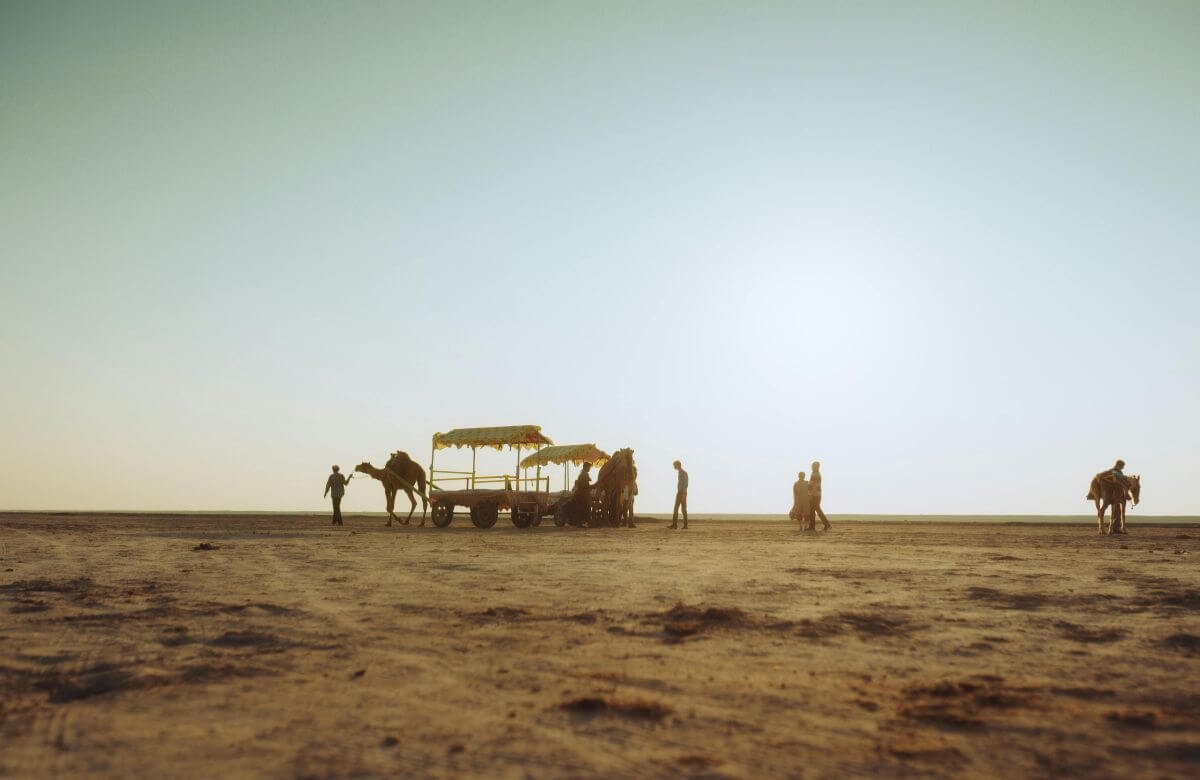
Remote Desert Landscapes Beyond the Thar
When most people think of deserts in India, the Thar Desert in Rajasthan immediately comes to mind. While the Thar is iconic, it represents only a small part of India’s diverse arid and semi-arid landscapes. Beyond it lie vast, lesser-known desert regions shaped by wind, time, salt, stone, and silence. These remote desert landscapes beyond the Thar remain largely unexplored, offering stark beauty, solitude, and dramatic visual contrasts that feel worlds away from crowded tourist circuits.
These deserts are not always endless dunes. Some are rocky plateaus, some salt flats, some cold deserts, and others scrublands that appear barren at first glance but reveal life and colour on closer observation. For photographers, filmmakers, and slow travellers, these landscapes offer clean horizons, minimal distractions, and powerful compositions. They also connect naturally with offbeat river valleys, hidden gems in India, and secret travel regions often featured on SceneLoc8.
Why Explore Remote Desert Landscapes Beyond the Thar
Remote desert regions offer a sense of scale and stillness that is difficult to find elsewhere. Without heavy infrastructure, the land feels raw and elemental. The silence is often broken only by wind, distant animal movement, or shifting sand and stones. This creates an atmosphere ideal for introspection, photography, and immersive travel.
Unlike popular desert destinations with camps and curated experiences, these landscapes demand patience and awareness. Light changes rapidly, shadows stretch dramatically, and textures reveal themselves slowly. For travellers who value authenticity over convenience, these deserts provide deeply rewarding journeys that feel both ancient and untouched.
Little Rann of Kutch, Gujarat
The Little Rann of Kutch is a vast salt desert that stretches endlessly under open skies. Unlike the white expanses of the Great Rann, the Little Rann feels more rugged and raw, dotted with scrubland, mudflats, and isolated islands known as bets.
This region is home to the Indian Wild Ass, migratory birds, and resilient desert flora. During monsoon, parts of the desert flood, creating surreal reflections and mirror-like surfaces. In winter, the cracked earth and pale salt plains create minimalist compositions perfect for landscape photography. The Little Rann connects beautifully with offbeat wildlife spots and hidden salt desert landscapes in western India.
Banni Grasslands, Gujarat
Often overlooked in favour of desert dunes, the Banni Grasslands form one of Asia’s largest tropical grassland ecosystems. Located near the Rann of Kutch, this region feels vast and empty, with low vegetation, distant horizons, and dramatic skies.
The landscape changes colour with the seasons, shifting from dusty browns to muted greens. Traditional settlements, salt workers, and grazing animals add subtle human elements to the frame without overwhelming the scene. Banni is ideal for photographers seeking wide-open desert-like landscapes without sand dunes.
Spiti Valley Cold Desert, Himachal Pradesh
Spiti Valley represents a completely different kind of desert. This high-altitude cold desert is shaped by rock, wind, and extreme weather rather than sand. The terrain is stark, angular, and dramatic, with deep gorges, barren mountains, and vast open valleys.
Villages cling to mountainsides, monasteries rise from rocky outcrops, and rivers carve through ancient stone. The absence of vegetation creates clean visual lines, making Spiti one of the most photogenic remote desert landscapes beyond the Thar. It also pairs naturally with lesser-known mountain passes and remote lakes in India such as Chandratal.
Ladakh’s Changthang Plateau
The Changthang Plateau in eastern Ladakh is one of India’s most remote and least visited desert regions. This cold desert stretches endlessly, dotted with salt lakes, rolling plains, and distant snow-capped peaks.
The scale of the landscape is overwhelming. Nomadic Changpa settlements appear tiny against the vastness, adding a sense of proportion and humanity. The plateau’s isolation and clarity of light make it ideal for minimalist photography and storytelling. Changthang aligns closely with hidden gems in India and unexplored high-altitude landscapes.
Dholavira and the Khadir Island Belt, Gujarat
Beyond its archaeological significance, the landscape around Dholavira offers a striking desert experience. Khadir Island sits surrounded by salt flats, with cracked earth, fossil-rich ground, and uninterrupted views stretching to the horizon.
Sunrises and sunsets here are dramatic, painting the land in soft pastels and deep golds. The absence of crowds allows you to walk freely, observe textures, and photograph the land without distraction. This region blends history, geology, and desert aesthetics into a unique offbeat experience.
Jalipa–Barmer Scrub Desert, Rajasthan
Away from Jaisalmer’s dunes lies the scrub desert of Barmer and Jalipa. This landscape is harsher and less romanticised, with thorny vegetation, rocky ground, and wide-open skies.
The visual appeal lies in contrast rather than colour. Cracked soil, weathered trees, and traditional desert homes create powerful frames that reflect the resilience of life in arid regions. This area suits photographers and travellers interested in raw realism rather than curated desert imagery.
Talakona–Rayalaseema Dry Zones, Andhra Pradesh
The Rayalaseema region presents a lesser-known dry landscape that feels desert-like during summer months. Rocky terrain, dry riverbeds, and sparse vegetation dominate the scene.
These landscapes reveal beauty in minimalism, especially during golden hour when shadows stretch across stone surfaces. Rayalaseema connects well with offbeat river valleys and hidden forest-dry zone transitions in South India.
Kutch Coastal Desert Zones, Gujarat
Along the edges of Kutch lie coastal desert zones where salt flats meet the Arabian Sea. These areas feel otherworldly, with mangroves, cracked earth, tidal flats, and distant waterlines blending into one frame.
Birdlife, fishing communities, and changing tides add subtle motion to an otherwise still environment. These zones are excellent for experimental photography and slow travel experiences.
Best Time to Visit Remote Desert Landscapes Beyond the Thar
Winter months offer the most comfortable conditions for most desert regions, with softer light and cooler temperatures. Cold deserts like Spiti and Ladakh are best visited in summer, while salt deserts reveal unique textures during monsoon and post-monsoon transitions.
Also read: Offbeat River Valleys ideal for Nature Lovers
Early mornings and late afternoons provide the best light for photography, emphasising textures, shadows, and colour gradients.
Responsible Travel in Remote Desert Regions
Desert ecosystems are fragile despite their harsh appearance. Avoid driving off established tracks, disturbing wildlife, or leaving waste behind. Supporting local guides and community-run stays helps preserve these landscapes and promotes sustainable offbeat tourism.
Respecting silence and space is also part of responsible desert travel. These landscapes thrive on stillness.
Conclusion
Remote desert landscapes beyond the Thar reveal a quieter, more powerful side of India’s geography. From cold deserts and salt flats to scrublands and plateaus, these regions offer visual drama, solitude, and authenticity. For travellers seeking offbeat experiences and raw natural beauty, these deserts provide journeys that feel timeless, grounding, and deeply memorable.