
Quiet Borderland Villages in India Worth Exploring
India’s borders stretch across mountains, deserts, forests, rivers, and coastlines. Along these edges lie villages that rarely feature in travel conversations. Quiet borderland villages in India exist in a space between geography and history, shaped by migration, trade, defence, and cultural exchange. These settlements are not defined by monuments or attractions but by lived experiences, landscapes, and stories that unfold slowly.
Borderland villages often feel suspended in time. Roads thin out, signboards disappear, and daily life follows rhythms untouched by tourism. For travellers drawn to authenticity and cultural depth, these villages offer something rare: unfiltered insight into how geography shapes identity. Many of these regions sit close to remote desert landscapes, offbeat river valleys, mountain passes, and coastal edges, making them ideal additions to SceneLoc8’s offbeat travel narratives.
Why Borderland Villages Offer Unique Travel Experiences
Border villages are shaped by both connection and isolation. While physically distant from urban centres, they are culturally rich due to centuries of cross-border interaction. Languages blend, cuisines overlap, and customs reflect layered histories rather than singular identities.
From a travel perspective, these villages encourage slow observation rather than activity-driven itineraries. Walks replace sightseeing, conversations replace checklists, and landscapes become the primary focus. For photographers and writers, borderland villages offer textured storytelling opportunities rooted in people, place, and quiet resilience.
Demchok Region Villages, Ladakh
Near the eastern edge of Ladakh lie sparsely populated villages that sit close to the Indo-China border. These settlements exist within vast cold desert landscapes where rivers, mountains, and open plains dominate the scene.
Life here is minimalistic yet deeply connected to land and season. Stone houses, prayer flags, grazing routes, and high-altitude silence define the experience. These villages pair naturally with remote desert landscapes beyond the Thar and hidden high-altitude travel routes, offering raw, contemplative journeys.
Chitkul Beyond the Last Road Sign, Himachal Pradesh
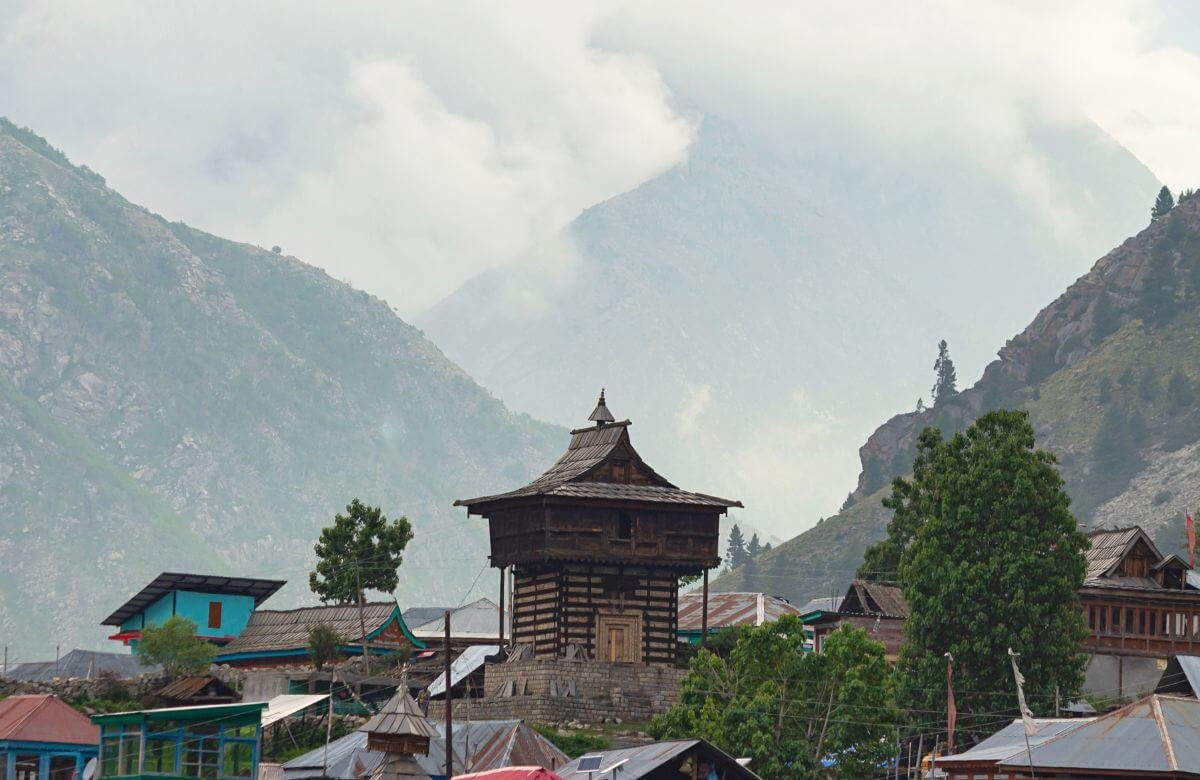
Chitkul is often called the last village on the Indo-Tibetan border, but beyond the main settlement lie quieter hamlets and grazing zones rarely explored. These areas offer expansive views of the Baspa Valley, wooden homes, and seasonal pastoral life.
The sense of remoteness here is amplified by weather and terrain. Snow isolates the region for months, reinforcing self-sufficiency and community bonds. These borderland zones align beautifully with lesser-known mountain passes and secret hill station landscapes in Himachal Pradesh.
Turtuk and Tyakshi Villages, Ladakh
Turtuk is known, but nearby villages like Tyakshi remain quieter and less visited. Located close to the Pakistan border, these settlements reflect a unique Balti culture distinct from the rest of Ladakh.
Apricot orchards, stone lanes, and riverside fields create a softer contrast to Ladakh’s harsh terrain. Cultural practices, dress, and language here offer insight into border identities shaped by shifting boundaries. These villages connect naturally with hidden gems in India that blend culture and landscape.
Dharchula Border Villages, Uttarakhand
Along the Kali River near the Nepal border, small villages around Dharchula showcase shared traditions, trade routes, and seasonal migration patterns. Footbridges, riverside paths, and mountain backdrops define daily movement.
These villages offer a quieter alternative to popular Himalayan towns. The river acts as both divider and connector, shaping livelihoods and culture. The region pairs well with offbeat river valleys and remote village trails in Uttarakhand.
Longewala Border Villages, Rajasthan
Beyond the war memorial lies a cluster of sparsely populated desert villages near the India–Pakistan border. These settlements exist within harsh scrub desert landscapes, where water, shade, and community are precious resources.
Mud homes, thorn fences, and vast open skies define the visual character. Life here is resilient and deeply adapted to the environment. These villages align naturally with remote desert landscapes and offbeat desert-edge travel in western India.
Bhotia Villages Near Niti and Mana Passes, Uttarakhand
High-altitude Bhotia villages near Indo-Tibetan trade routes offer rare glimpses into seasonal migration cultures. Many villages are occupied only part of the year, with residents moving based on weather and grazing conditions.
Stone homes, storage structures, and trade paths reveal centuries-old survival strategies. These villages connect seamlessly with ancient trade routes, mountain passes, and forgotten heritage landscapes.
Kutch Border Hamlets, Gujarat
Near the India–Pakistan border in Kutch lie small hamlets surrounded by salt flats, scrubland, and endless horizons. These settlements are quiet, isolated, and deeply rooted in land-based livelihoods.
Traditional crafts, pastoralism, and seasonal rhythms dominate daily life. The stark landscape enhances the sense of space and silence. These villages pair well with hidden salt desert regions and offbeat coastal desert zones explored earlier.
Andaman Border Settlements, Nicobar Fringe Areas
While access is restricted, fringe villages near the Nicobar region represent India’s maritime border cultures. Life here revolves around forest resources, fishing, and weather patterns rather than tourism.
These settlements highlight how borders extend beyond land into oceanic spaces. They offer powerful narratives around isolation, resilience, and ecological balance, aligning with hidden island landscapes and offbeat coastal travel themes.
Best Time to Visit Borderland Villages in India
Timing depends heavily on geography. High-altitude villages are best visited in summer, desert border regions in winter, and coastal border areas during calm weather seasons.
Because infrastructure is limited, planning and local guidance are essential. Visits should be respectful, informed, and flexible.
Also read : Remote Desert Landscapes Beyond the Thar
Responsible Travel in Border Regions
Borderland villages are sensitive spaces. Photography, movement, and interactions should always respect local regulations and cultural norms. Some areas may require permits, and others may restrict access altogether.
Supporting local homestays, buying local produce, and engaging respectfully with residents ensures that travel remains beneficial rather than intrusive.
Conclusion
Quiet borderland villages in India reveal stories that mainstream travel often overlooks. Shaped by geography, history, and resilience, these settlements offer deeply meaningful travel experiences rooted in place rather than spectacle. For travellers seeking authenticity, cultural depth, and silence, borderland villages open doors to some of India’s most powerful and understated journeys.