
Forgotten Railway Trails and Abandoned Stations in India
Across India’s vast rail network lie forgotten railway trails and abandoned stations that time seems to have gently set aside. Once vital links between towns, forests, mines, and hill regions, these tracks now sit quietly amid nature, slowly reclaimed by grass, moss, and trees. For offbeat travellers and photographers, forgotten railway trails in India offer a rare blend of history, atmosphere, and slow exploration away from crowds.
Walking along an unused railway line feels different from a regular trail. The geometry of tracks, sleepers, tunnels, and platforms adds structure to the landscape, while nature softens everything around it. You hear birds instead of engines, wind instead of whistles. Many of these trails pass through forests, river crossings, hill cuttings, and remote settlements, connecting naturally with untouched forest trails, offbeat river valleys, and secret hill stations in India featured across SceneLoc8.
Why Forgotten Railway Trails Make Unique Travel Experiences
Railway trails offer a sense of narrative that few landscapes can match. Each abandoned station or rusted bridge hints at stories of workers, travellers, and communities that once relied on the line. For weekend explorers and slow travellers, these routes encourage unhurried walks, observation, and reflection.
From a photography perspective, railway trails provide strong leading lines, symmetry, and contrast. Old signboards, weathered platforms, and tunnels create powerful focal points, especially when framed by mist, greenery, or golden light. The absence of crowds allows you to wait for the right moment and light, making these trails ideal for thoughtful visual storytelling.
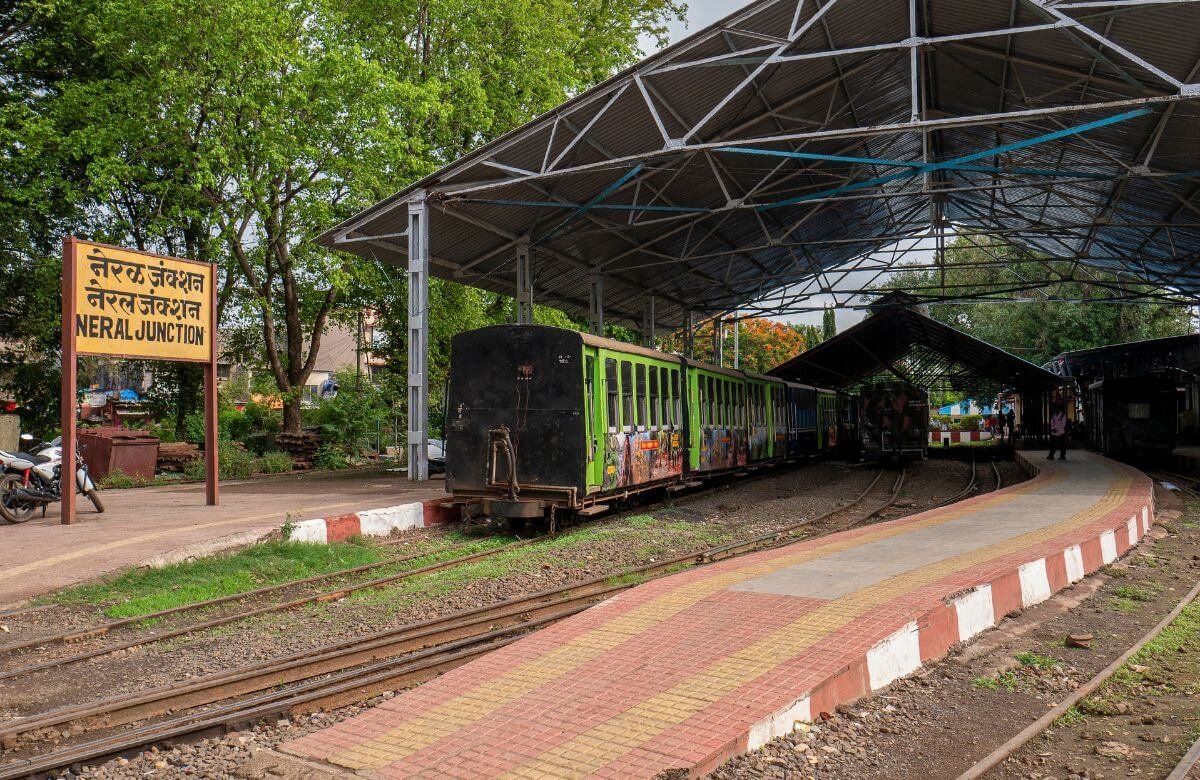
Neral–Matheran Old Track Sections, Maharashtra
While the toy train to Matheran still operates, sections of older track alignments and service paths remain quiet and rarely explored. These trails wind through dense forest, red soil cuttings, and shaded curves where rails vanish into greenery.
Early mornings bring mist drifting between trees, softening the scene and enhancing depth. The quiet forest setting connects beautifully with secret hill stations in India, offering a heritage-rich alternative to typical viewpoint hopping.
Sakleshpur–Subrahmanya Abandoned Railway Sections, Karnataka
Parts of the old railway alignment through the Western Ghats near Sakleshpur have been decommissioned or bypassed, leaving behind tunnels, bridges, and trackside clearings now embraced by jungle.
Walking these sections reveals dramatic rock cuttings, fern-covered slopes, and occasional waterfalls during monsoon. These trails pair perfectly with untouched forest trails and monsoon photography routes, making them a favourite for offbeat explorers in the Ghats.
Chunar–Mirzapur Old Rail Route, Uttar Pradesh
Along the Vindhyan range near the Ganga, remnants of old rail routes sit close to rocky outcrops and scrub forests. Abandoned platforms and sidings remain intact in places, offering stark contrasts between stone, steel, and open sky.
These trails are ideal for travellers interested in history-led exploration combined with raw landscapes. The region’s terrain also connects with offbeat river valleys along the Ganga and Son rivers.
Dandeli Forest Railway Remnants, Karnataka
Dandeli’s timber-era railway lines once transported wood through dense forests. Today, sections of these tracks lie unused, running quietly through jungle corridors.
Moss-covered sleepers, rusted rails, and forest canopies create moody compositions, especially during early mornings and post-monsoon months. These remnants align naturally with uncharted wildlife spots and forest stays in the region.
Nilgiri Foothills Abandoned Sidings, Tamil Nadu
Beyond the popular Nilgiri Mountain Railway lie lesser-known sidings and maintenance tracks near the foothills. These sections pass through tea gardens, forest edges, and small settlements where time seems slower.
The combination of colonial-era structures and natural scenery makes these trails ideal for heritage photography. They also complement journeys through secret hill stations in India and plantation landscapes.
Chapramari–Lataguri Old Rail Stretch, West Bengal
In North Bengal, old railway alignments near forest corridors and tea estates remain partially unused. These trails sit close to wildlife movement zones, adding a layer of unpredictability and quiet thrill to exploration.
Foggy mornings and filtered forest light create cinematic scenes along the tracks. This region pairs well with offbeat wildlife travel and lesser-known forest routes in eastern India.
Barog–Solan Amenities Tracks, Himachal Pradesh
Near Barog, service tracks and old alignments branch away from the active Kalka–Shimla line. These paths trace pine-covered slopes and cut through quiet hillside sections.
Walking here offers panoramic valley views without the bustle of stations or trains. These trails naturally extend explorations of scenic cliffside views and slow hill travel.
Abandoned Stations as Time Capsules
Many abandoned stations remain frozen in time. Faded signboards, cracked platforms, and empty waiting rooms create evocative scenes that invite imagination. Visiting these places feels like stepping into a paused moment of history.
For photographers and writers, these stations offer textured details, strong compositions, and emotional storytelling potential that modern infrastructure often lacks.
Best Time to Explore Forgotten Railway Trails in India
Winter and post-monsoon seasons are ideal, offering clear access and comfortable walking conditions. Monsoon enhances greenery and atmosphere but requires caution around slippery surfaces and tunnels.
Early mornings provide the best light and minimal human activity, allowing uninterrupted exploration and photography.
Also read : Exploring India’s Lesser-Known Hill Stations: A Tranquil Escape
Safety and Responsible Exploration
Always verify that tracks are truly abandoned before exploring. Avoid active lines, tunnels with poor visibility, or private property. Walk with awareness, carry basic supplies, and inform locals when venturing into remote areas.
Respect the heritage value of stations and tracks. Avoid damaging structures or removing artefacts. Responsible exploration ensures these locations remain intact for future travellers.
Conclusion
Forgotten railway trails in India offer journeys through time, landscape, and silence. With their blend of heritage, nature, and solitude, these abandoned routes invite travellers to slow down and look closer. For those seeking offbeat experiences rich in atmosphere and story, railway trails reveal a side of India that moves quietly, yet leaves a lasting impression.