
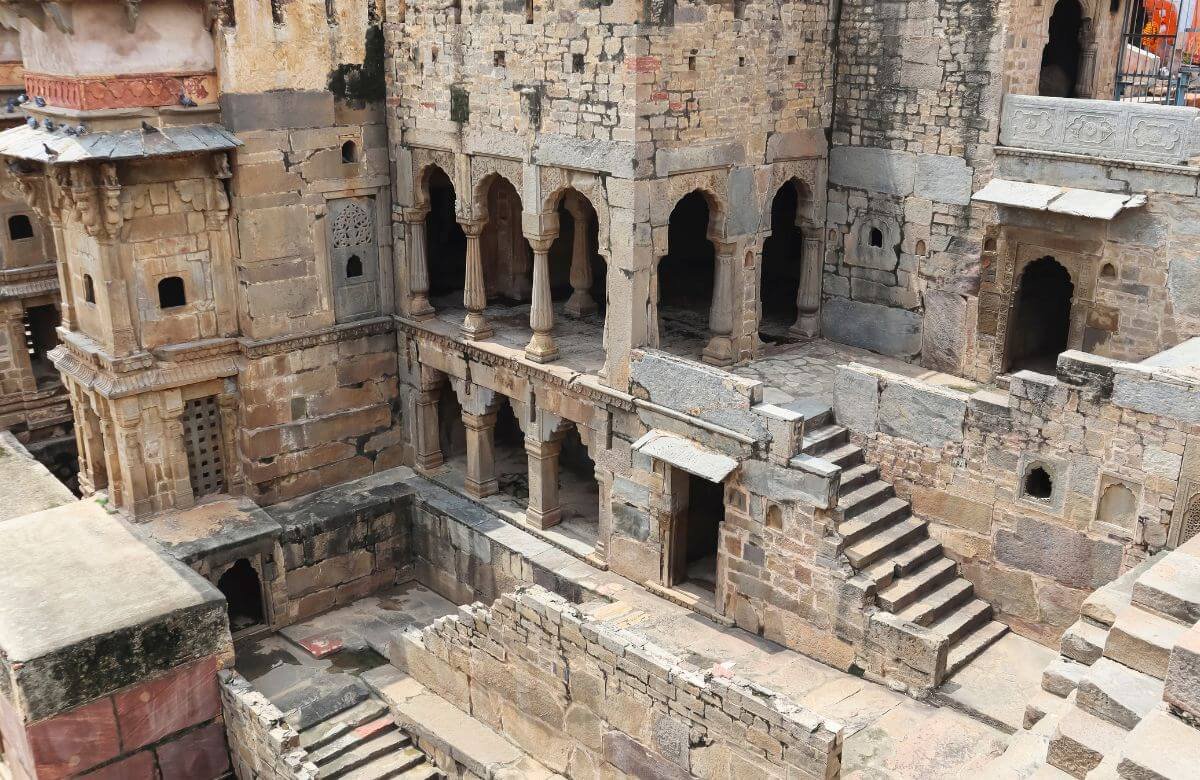
Ancient Stepwells and Forgotten Water Architecture in India
Long before modern plumbing and dams, India developed one of the world’s most sophisticated systems of water architecture. Across arid deserts, semi-dry plateaus, and seasonal river regions, communities built stepwells, baolis, kunds, and underground tanks that were as functional as they were beautiful. Today, many of these structures lie quietly away from tourist circuits, partially reclaimed by time and nature. Ancient stepwells in India offer a powerful combination of history, geometry, and silence that feels strikingly relevant even today.
Unlike monuments built for grandeur alone, water structures were designed for everyday life. They served as gathering spaces, resting points, ritual centres, and climate-responsive architecture long before sustainability became a modern concept. Exploring these forgotten sites feels intimate rather than overwhelming. You descend slowly into the earth, leaving noise and heat behind, and enter a space where stone, shadow, and symmetry take over. Many of these stepwells sit close to offbeat river valleys, remote desert landscapes, and hidden village routes, making them ideal inclusions in SceneLoc8’s offbeat travel journeys.
Why Ancient Stepwells in India Are So Visually Powerful
Stepwells are architectural storytelling at its finest. Repetitive steps create rhythm, symmetry creates balance, and changing light creates drama. As the sun moves, shadows stretch across staircases and pillars, turning even simple structures into cinematic frames. For photographers, stepwells offer endless composition possibilities without crowds or distractions.
Beyond aesthetics, these structures represent deep environmental intelligence. Built to harvest rainwater, reduce evaporation, and cool surrounding spaces, they demonstrate how architecture once worked with nature rather than against it. Visiting these sites encourages slower exploration and reflection, making them ideal for travellers who appreciate heritage beyond guidebook highlights.
Chand Baori’s Lesser-Known Surroundings, Rajasthan
While Chand Baori itself is famous, the surrounding village routes hide smaller, quieter water structures that rarely receive attention. These include partially restored stepwells and community tanks still used by locals.
Walking through these areas reveals how water architecture shaped daily life. Narrow lanes, temples, and resting platforms often align with stepwell entrances, creating layered compositions that blend architecture and village rhythm. These sites connect naturally with remote desert landscapes beyond the Thar and lesser-known heritage trails in Rajasthan.
Dada Harir Stepwell Region, Gujarat
Near Ahmedabad, Dada Harir Vav is well known, but the surrounding region contains multiple forgotten stepwells scattered among old settlements. Many of these structures remain unmarked, accessed through quiet streets and local paths.
The stonework here features intricate carvings and deep vertical shafts that create dramatic light patterns. These stepwells are especially striking during late afternoon when sunlight filters into lower levels. They pair beautifully with offbeat urban heritage walks and hidden architectural gems in western India.
Bundi’s Hidden Baoris Beyond the Palace Trail, Rajasthan
Bundi is often associated with Taragarh Fort, but its real architectural magic lies in the network of baoris spread across the old town. While Raniji ki Baori attracts visitors, several smaller stepwells remain tucked behind residential areas and temple courtyards.
These lesser-known baoris feel lived-in rather than preserved. Locals still use them for water rituals, washing, and quiet gatherings. Their layered steps and algae-tinted stone walls create textured, earthy visuals that feel timeless.
Hampi’s Forgotten Water Tanks, Karnataka
Hampi’s ruins include an extraordinary system of step tanks, canals, and reservoirs that once supplied the Vijayanagara capital. While a few tanks are popular, many smaller water structures lie hidden among boulders and forested patches.
Exploring these tanks reveals how water was integrated into urban planning, ritual spaces, and everyday life. Reflections of temples in still water and granite steps disappearing into shadow make these tanks ideal for minimalist photography. They connect seamlessly with offbeat river valleys and heritage landscapes of southern India.
Patan’s Lesser-Visited Stepwells Beyond Rani ki Vav, Gujarat
Rani ki Vav overshadows other stepwells in Patan, yet the region hosts several smaller vavs that remain quiet and deeply atmospheric. These structures often feature plain stone geometry rather than elaborate carvings, creating a strong focus on form and proportion.
Without crowds, you can explore slowly, observe how light changes across steps, and appreciate the engineering precision that went into these wells. These sites complement journeys through hidden gems in India that reward curiosity and patience.
Ancient Kunds of Abhaneri and Surrounding Villages, Rajasthan
Beyond the iconic stepwells, Rajasthan’s villages hide circular kunds and square tanks designed for rainwater harvesting. These structures often sit in open fields or near temples, blending seamlessly into the rural landscape.
Their simplicity makes them visually striking. Clean lines, shallow steps, and open skies create strong compositions, especially during sunrise and sunset. These kunds align naturally with remote village trails and offbeat desert-edge travel.
Burhanpur’s Underground Water Network, Madhya Pradesh
Burhanpur hides an extensive system of underground water channels, stepwells, and tanks that once supported Mughal gardens and settlements. Many of these structures remain unexplored, accessed through quiet neighbourhoods and forest edges.
The cool interiors, echoing chambers, and subtle light shafts create an immersive atmosphere. These water systems connect beautifully with offbeat heritage routes and lesser-known architectural journeys in central India.
Stepwells as Climate-Responsive Architecture
What makes ancient stepwells in India particularly relevant today is their climate intelligence. Built to stay cool, store water efficiently, and withstand seasonal extremes, they represent sustainable design principles that modern architecture often overlooks.
Visiting these sites is not just about history but about understanding how communities once adapted intelligently to their environment. This adds depth to travel experiences and makes stepwells meaningful beyond their visual appeal.
Also read : Lights, Camera, Mumbai: Film Shooting Locations You Shouldn’t Miss
Best Time to Explore Ancient Stepwells in India
October to March offers comfortable temperatures and optimal light for photography. Early mornings and late afternoons create the strongest shadow patterns and avoid harsh overhead light.
Monsoon brings a different mood, with moss, reflections, and partial water levels adding texture, but access may be limited in some regions.
Responsible Exploration of Heritage Water Sites
Many stepwells are unprotected heritage structures. Avoid climbing fragile sections, littering, or disturbing local use. Respect religious practices and community spaces associated with water structures.
Supporting local guides and heritage walks helps ensure these sites are valued and preserved rather than neglected.
Conclusion
Ancient stepwells in India are quiet masterpieces of design, sustainability, and community life. Hidden beneath villages, forts, and landscapes, they invite travellers to slow down and look deeper. For those drawn to geometry, history, and offbeat exploration, these forgotten water structures offer experiences that are visually striking, intellectually rich, and deeply grounding.